
Must everyone experience the suffering as a child of Gaza before they realize the pursuit of AGI was not worth it?
There’s an old proverb that tells us, “The best time to plant a tree was 10 years ago. The second best time is now.” This phrase carries a profound truth about action delayed, but not lost. It reminds us that while we can’t change the past, we have the power to act in the present to create a better future. Today, this wisdom applies not only to the natural world but also to the systems we live within.
The same urgency applies to the way we confront capitalism and the looming challenges posed by Artificial General Intelligence (AGI). Much like the delayed planting of a tree, the best time to rethink and rebuild our economic and social systems was 20 years ago. But the second best time? It’s right now—before AGI consolidates power, consumes remaining resources, and redirects humanity’s focus away from the existential crises we face, like climate change and human rights abuses.
The Shadow of AGI on Our Future
AGI, while not yet fully realized, is already casting a long shadow. The energy consumption of large-scale AI models is staggering. Training a single AI model can emit as much carbon dioxide as five cars over their entire lifetime.
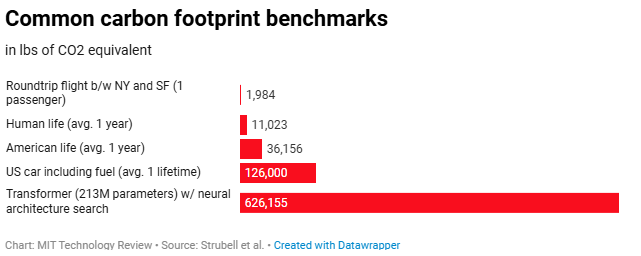
As tech companies compete to develop more advanced systems, they are burning fossil fuels and depleting finite resources at an alarming rate. This relentless pursuit of “progress” serves corporate profits but exacerbates the climate crisis at a time when we should be focusing our collective efforts on reducing emissions and transitioning to sustainable energy.
Beyond resource consumption, AGI is also redirecting attention from the urgent challenges we face. While headlines are dominated by AI breakthroughs, the worsening climate crisis is often pushed to the back burner. Instead of mobilizing global cooperation to mitigate environmental collapse, we’re witnessing investments in AI systems that serve surveillance, warfare, and profit-driven agendas.
AGI in Conflict Zones: A Dangerous Precedent
The use of AI in warfare is perhaps one of the most chilling examples of how these technologies can be misapplied. In Gaza, AI tools are being used to target innocent civilians, track movements, and amplify destruction. These systems, marketed as “smart” and “efficient,” are wielded as instruments of oppression, stripping away humanity and reducing lives to algorithms. This should alarm us all, because the mechanisms of control and violence being perfected in one region can—and will—be turned against others. We are not exempt from the reach of these tools. If we fail to act, we may all find ourselves next in the crosshairs.
Planting Seeds of Change
If the best time to dismantle and replace our exploitative systems was decades ago, then the second best time is now. Just as a tree planted today will grow to provide shade, oxygen, and stability for future generations, the systems we build now can lay the foundation for a more equitable, sustainable, and humane world. This requires a radical rethinking of our priorities.
Instead of pouring resources into developing AGI that serves corporate and military interests, we should invest in technologies and policies that prioritize human well-being and environmental restoration. Imagine if the billions being spent on AI development were redirected toward renewable energy, reforestation, or global food security. Imagine if, instead of training AI to surveil and harm, we trained ourselves to cooperate and heal.
The Time to Act is Now
The proverb teaches us that it’s never too late to start. But with AGI accelerating the consumption of resources and threatening to entrench the very systems that brought us to the brink, our window for meaningful action is shrinking. The time to plant the seeds of a new system is now—before AGI matures into a force we can no longer control.
We stand at a crossroads. Will we allow AGI to reinforce the inequalities and destruction of our current system, or will we take this moment to build something better? The choice is ours, but the clock is ticking. Let us not delay any longer. Let us plant the trees—and the systems—that future generations will thank us for.